Manufacturer
Cessna
United States1927
Cessna Aircraft Company
Company
- Country
- United States
- Headquarters
- Wichita, Kansas
Founding
- Founded
- 1927Wichita, Kansas
- Founded as
- Cessna-Roos Aircraft Company
- Founders
- Clyde Cessna · Victor Roos
- Former names
- Cessna-Roos Aircraft Company (1927–1927)
Cessna is the American maker of light aircraft whose Model 172 has sold more than any other aircraft in history. Founded in Wichita in 1927 by Clyde Cessna and Victor Roos, it has belonged to Textron since 1992 and has been a brand of Textron Aviation since 2014, building everything from two-seat trainers to the Citation business jets.
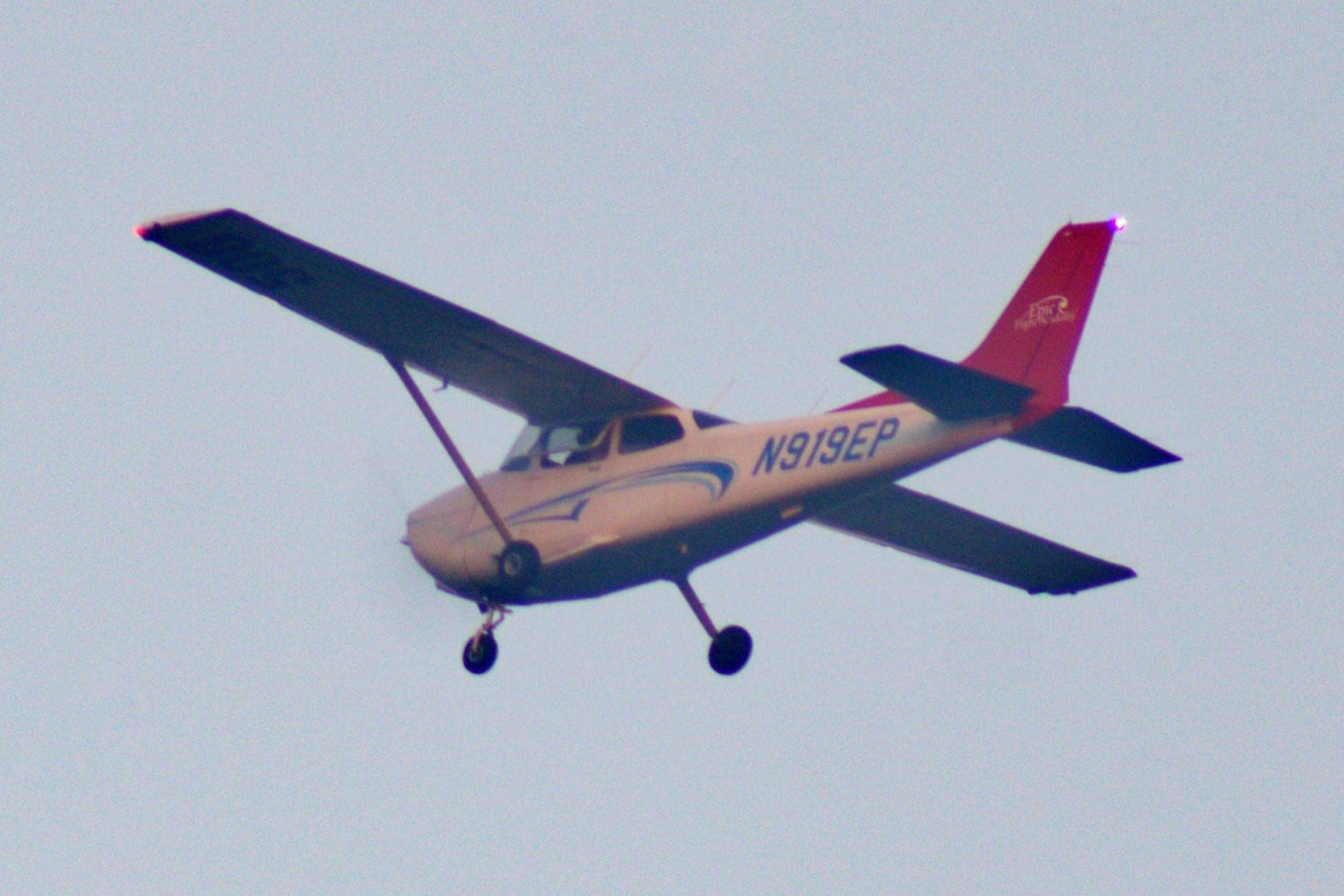
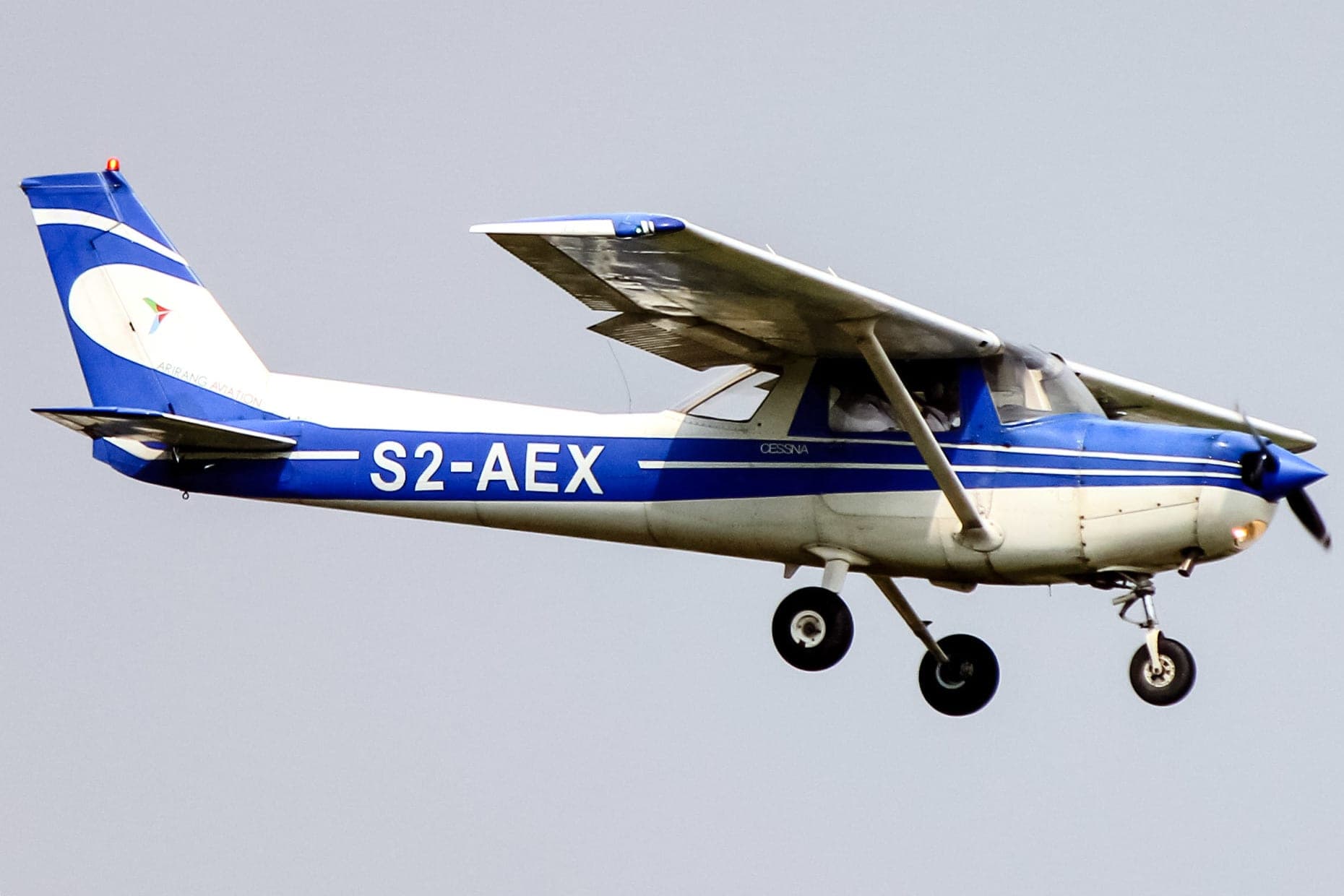
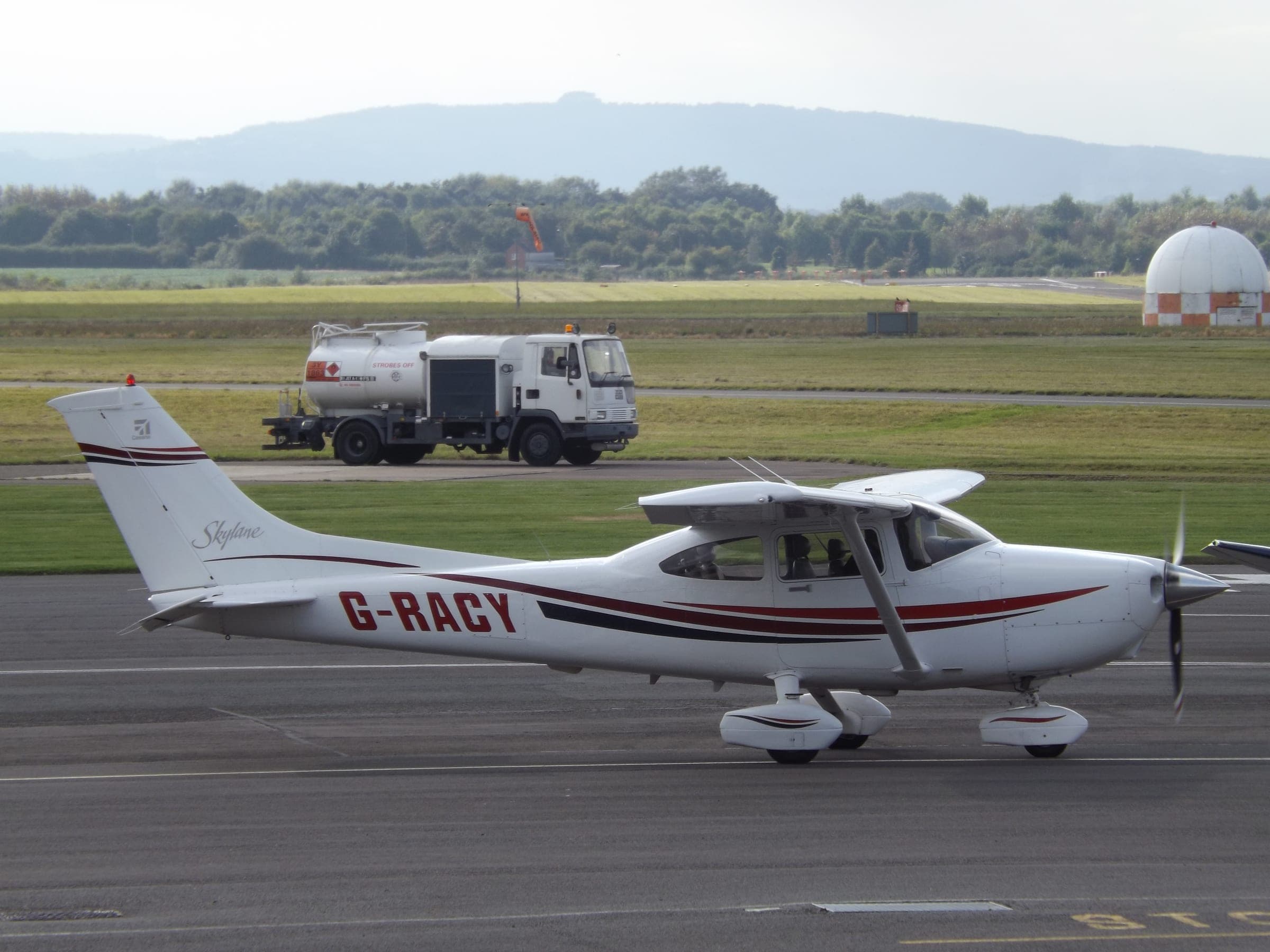
Cessna is the name most people give to a light aircraft, in the way that a vacuum cleaner is a Hoover. The company has built well over a hundred thousand of them, and one model, the 172, has been produced in greater numbers than any other aircraft in history, more than 44,000 by 2015 and still in production. If you learned to fly anywhere in the world in the last sixty years, the odds are very good that you learned in a Cessna.
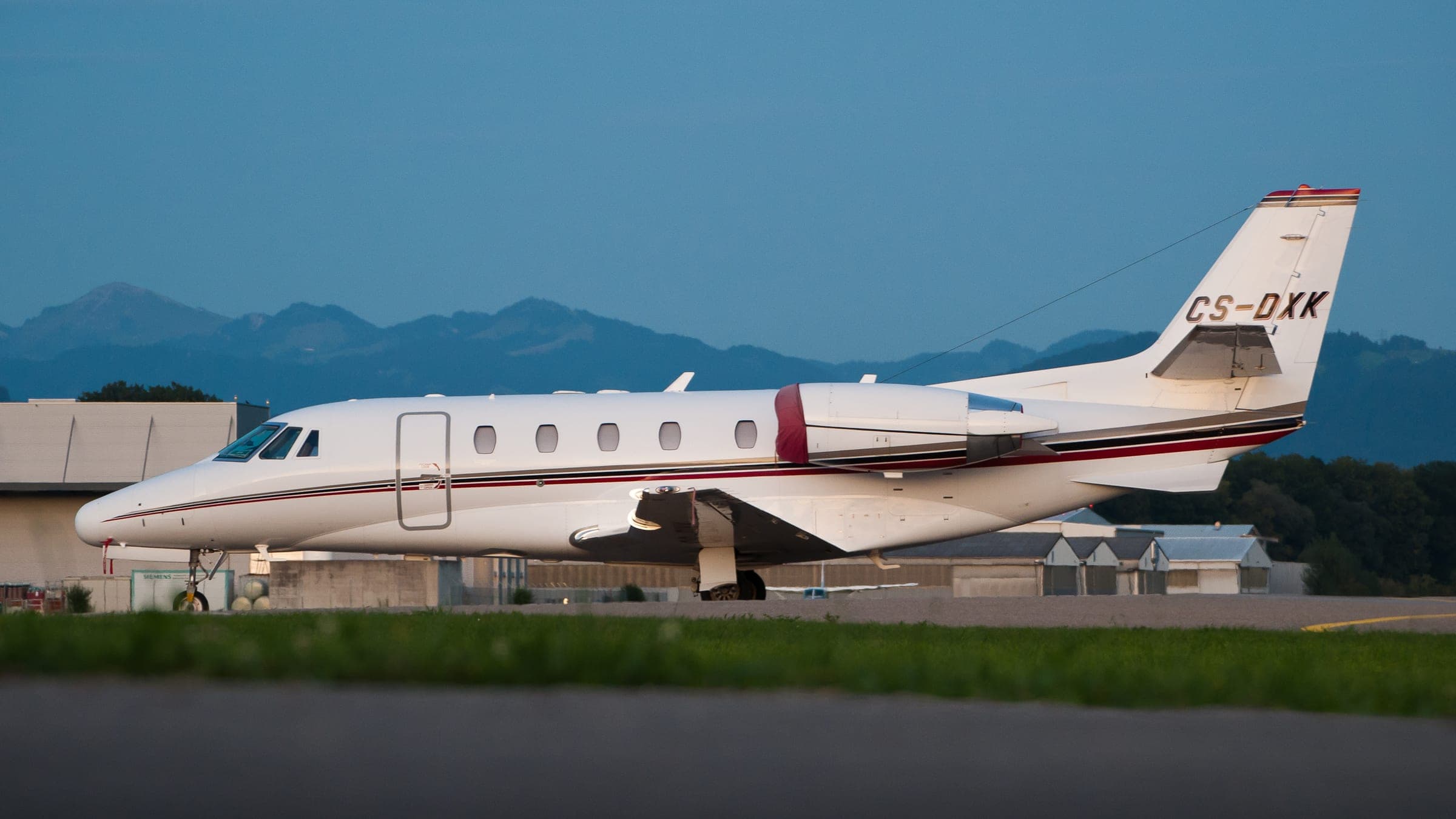
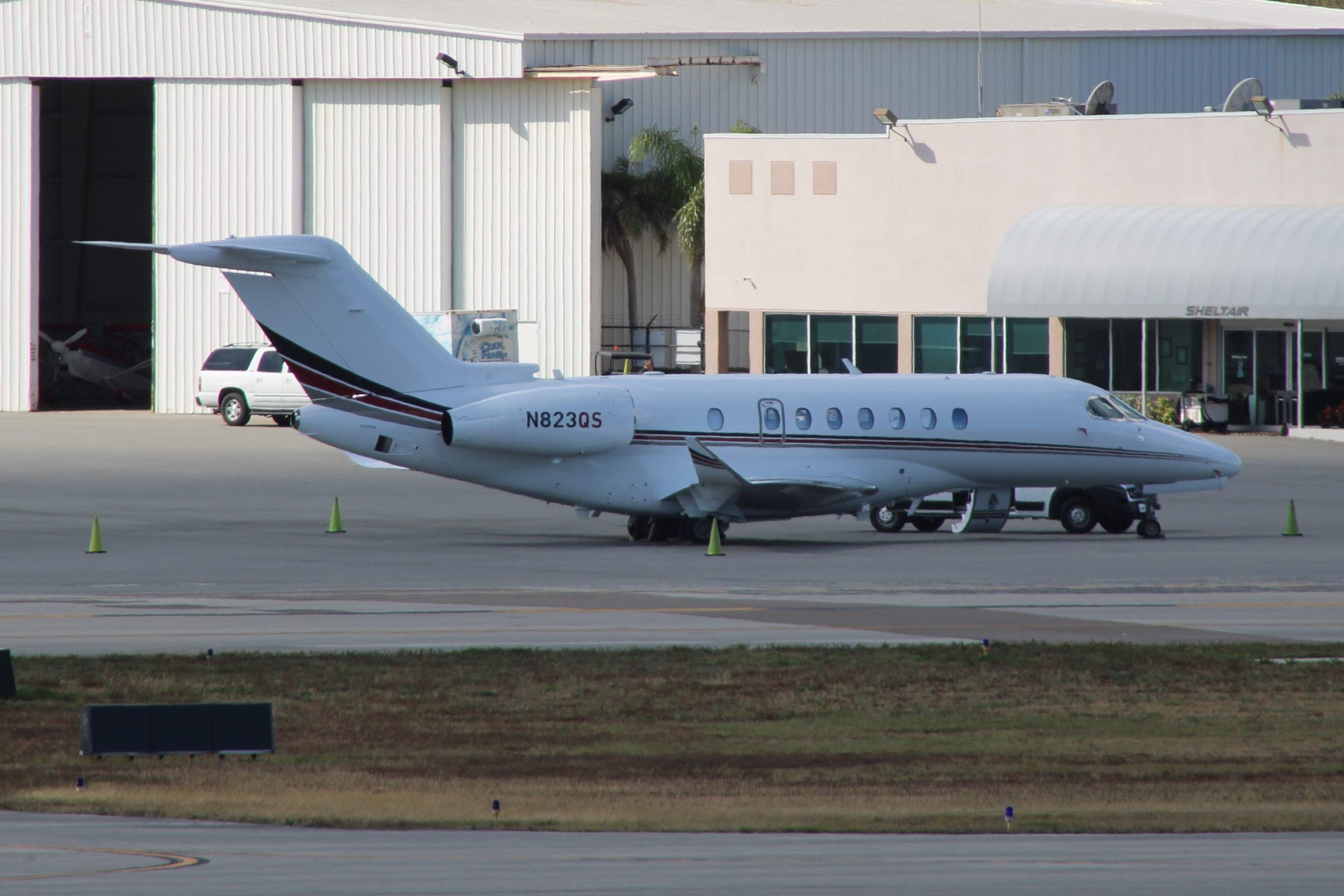
That is only half the business. Since 1972 the company has also built the Citation, which has grown into the most-sold family of business jets ever made and the largest active business-jet fleet in the world. A firm best known for two-seat trainers also sells a Mach 0.935 transcontinental jet, and has done for decades.
Cessna has not been independent since 1985. General Dynamics bought it that year, sold it to Textron in 1992, and since 2014 it has been one of three brands inside Textron Aviation alongside Beechcraft and Hawker. The name survives as a marque rather than a company, which is a common fate in this industry and unusually conspicuous in this case, because the name is more famous than the corporation that owns it.
The most interesting thing about Cessna is not an aeroplane. Between 1986 and 1996 the company stopped building single-engine piston aircraft altogether: not because it could not sell them, but because American product-liability law had made it uneconomic to build them at all. The world's largest manufacturer of light aircraft withdrew from light aircraft for a decade, and came back only after Congress changed the law. That episode explains more about the state of general aviation than any aircraft in the catalogue.
Origins
Clyde Cessna was a farmer from Rago, Kansas, who sold farm machinery and had no engineering training whatever. In 1911 he built an aeroplane and flew it, which placed him among a very small number of Americans who had done so, and makes him one of the few aircraft manufacturers in history whose first product was made by hand on a farm.
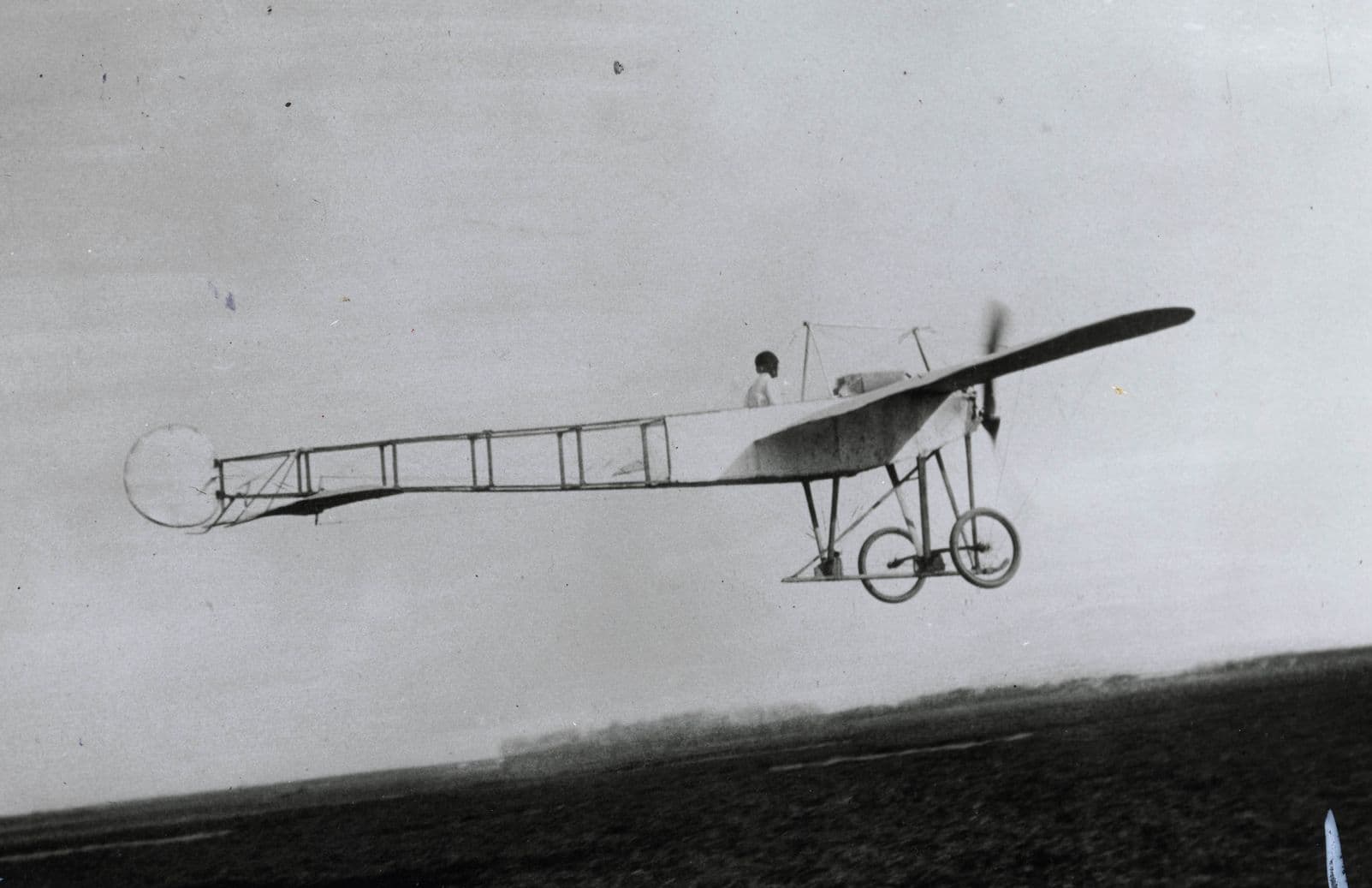
He spent the next fifteen years building and exhibiting monoplanes, which was then a respectable living: barnstorming and exhibition flying paid, and selling aircraft to anyone did not. The significant decision came in 1927, when he and Victor Roos formed the Cessna-Roos Aircraft Company in Wichita. Within weeks Roos had departed and it was simply Cessna.
The timing could hardly have been worse. The company's Model DC-6 was certified on 29 October 1929, the day of the Wall Street crash. The light aircraft market, which depended entirely on discretionary purchases by individuals and small businesses, evaporated. The company closed in 1932.
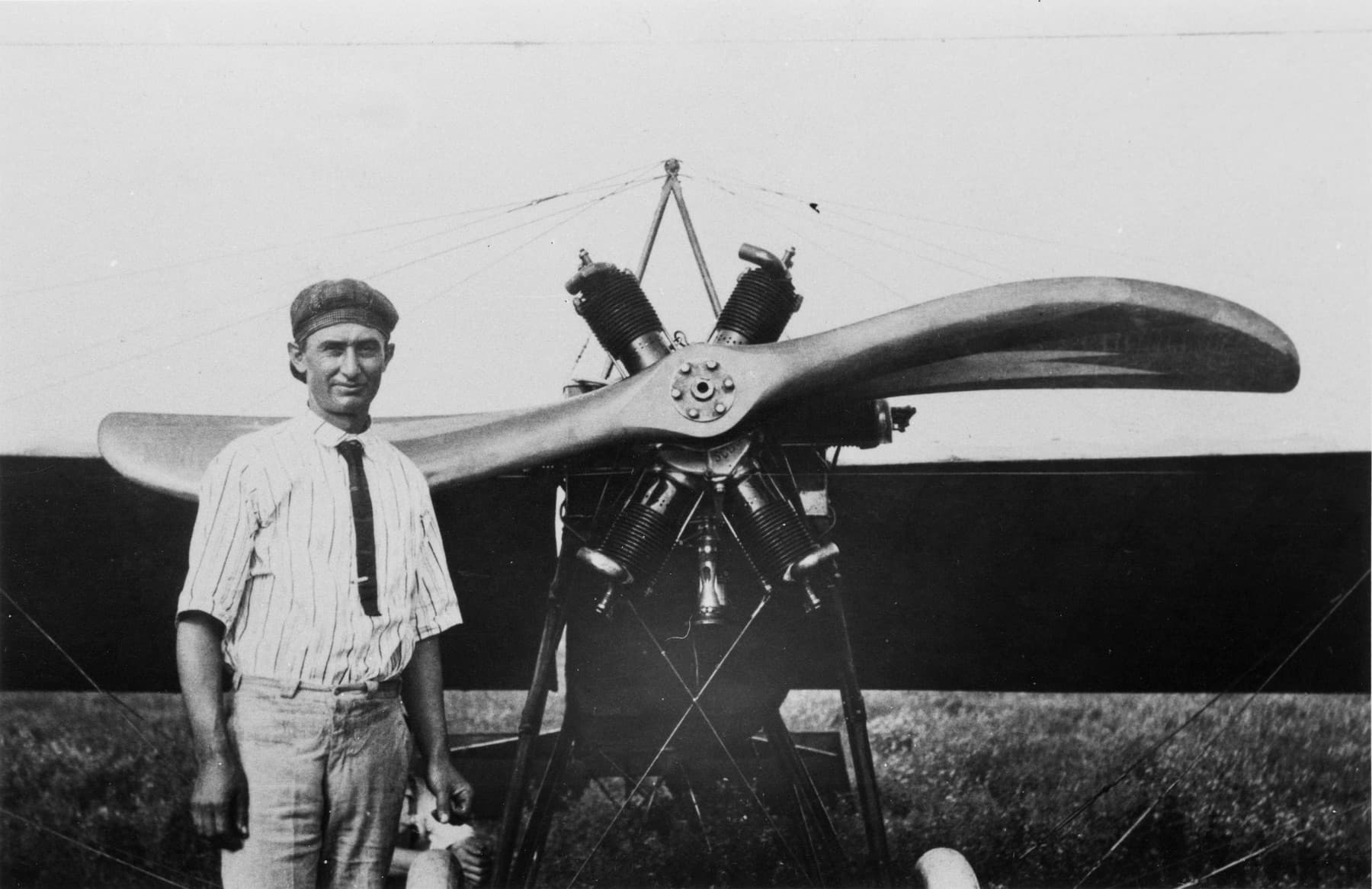
What brought it back was a racing aeroplane. The CR-3 flew in 1933 and won that year's American Air Race in Chicago, which was precisely the kind of publicity a small manufacturer needed and could not otherwise buy. In 1934 Clyde's nephews Dwane and Dwight Wallace bought the business from him and restarted it. Clyde Cessna retired to his farm.
It is worth being clear that the company's founder was not the man who made it. Clyde Cessna gave it its name, its location and its first aeroplanes, and left within seven years of its founding. Dwane Wallace ran it for the next four decades, through the war, the post-war boom and the arrival of the Citation, and the Cessna that exists today is substantially his work. This is a pattern the industry repeats, the Boeing company outlived William Boeing's involvement by sixty years, but it is rarely as clean.
Expansion
Cessna's great period began after 1945, and it rested on a bet about who would buy aeroplanes. The conventional expectation in 1946 was that hundreds of thousands of demobilised military pilots would want private aircraft, and the whole industry built for that market. The expectation was wrong, and most of the companies that acted on it went under.
Cessna survived the shakeout and then did something more durable: it built a ladder. Civil production resumed in 1946 with the two-seat Models 120 and 140, and over the following decade the company filled in every rung above them: the four-seat 170, the 180 and 185 for rough-field and bush work, the 150 and 152 as the standard trainers of the Western world, the 182 as the step up for a pilot who had outgrown a 172, the 206 as a load-carrier. A customer could start in a Cessna and spend a flying career without leaving the catalogue.
The 172 arrived in 1956 and became the centre of it. It was a 170 with tricycle undercarriage: a change that made the aircraft far more forgiving to land, at a moment when a generation of new pilots was learning on tricycle-gear aircraft and finding tailwheels unfamiliar. The commercial result is the largest production run in aviation history.
The volumes involved are difficult to convey in an industry that now counts airliner deliveries in hundreds per year. A Cessna 172 was the company's 50,000th aircraft in 1963. In 1975 Cessna built its 100,000th single-engined aeroplane. Those are manufacturing figures from a light aircraft company, at a scale no airframe manufacturer outside the Second World War has matched, and they are the reason the name became generic.
Wartime production
The Second World War made Cessna an industrial manufacturer rather than a workshop, and the aircraft that did it was an unremarkable twin.
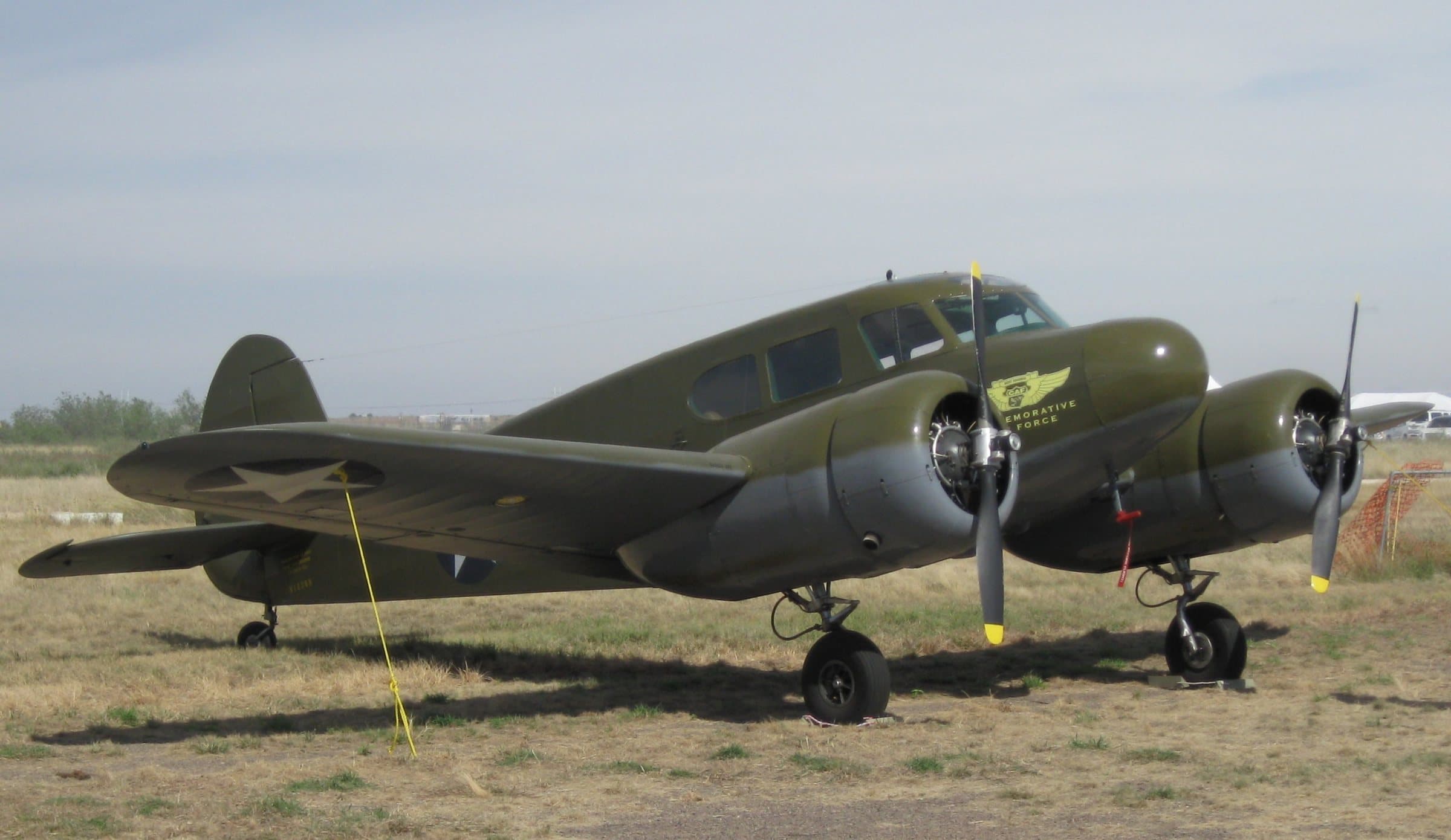
In 1940 the company signed the largest order in its history with the United States Army for the T-50, a light twin-engined trainer of wood and fabric construction designed for the civil market and adapted for the job of teaching pilots to fly multi-engine aircraft. Later that year the Royal Canadian Air Force ordered a further 180. The type served the American forces as the AT-17 and UC-78 and the Canadians as the Crane, and it was produced in thousands.
The T-50's significance is not the aeroplane, which was adequate and is remembered mostly as the Bamboo Bomber. It is what building it in quantity did to the company. A firm that had been producing small numbers of light aircraft for private buyers had to learn mass production, wartime quality control, military contracting and a workforce measured in thousands rather than dozens: in a city, Wichita, that was simultaneously being converted into one of the centres of American aircraft manufacturing.
Wichita's transformation is the larger story here. Cessna, Beech and Boeing's bomber plant all expanded there during the war, and the result was a concentration of airframe skills, suppliers and trained labour in a mid-sized Kansas city that has outlasted every strategic reason for it. Cessna's post-war expansion was possible because that infrastructure existed, and Wichita's claim to be the air capital of the world rests on what happened there between 1940 and 1945.
The jet age
Cessna's move into jets was improbable and extraordinarily well judged. In the late 1960s the business aircraft market was served at the top by converted airliners and purpose-built jets from Lockheed and North American that were fast, expensive and demanding to operate, and at the bottom by piston and turboprop twins. Cessna proposed something in between: a small jet that was slower than its rivals, cheaper to buy, and, the decisive point, easy enough to fly that an owner-pilot could be trained on it and it could operate from short runways.
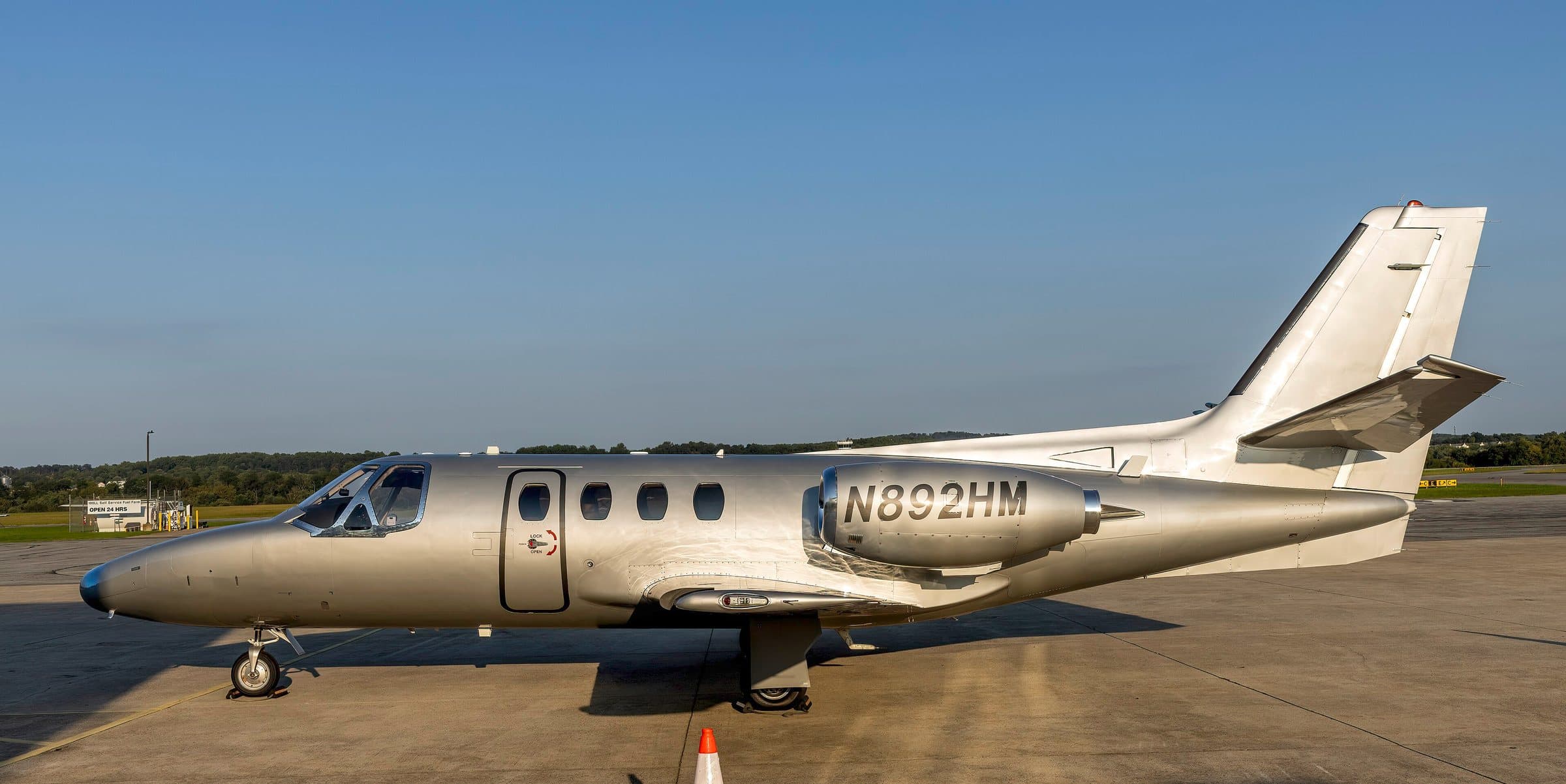
The industry's initial reaction was mockery. The aircraft was slow by jet standards, and competitors said so publicly. Cessna's response was to lean into it, and the market agreed with Cessna: an aeroplane that can use a 1,000-metre runway near where you actually want to go beats a faster one that cannot.
The first Citation flew in 1969, was type-certificated in late 1971 and entered service in 1972. What followed is the most sustained product line in business aviation. The family grew upwards and outwards for fifty years, to the point where Cessna was simultaneously building the Citation Mustang, the world's first fully certified very light jet, and the Citation X, at Mach 0.935 the fastest business jet in the world.
The scale is the remarkable part. By February 2014 the Citation fleet had passed 30 million flight hours, with more than 6,600 delivered in the programme's first forty-two years and eight models then in production. More Citations have been sold than any other family of business jet, and the type has led the business-jet market by annual delivery volume for most years since 1972.
For the company this changed everything. The Citation turned a light-aircraft manufacturer into a business-jet manufacturer with a light-aircraft division, and when the piston market collapsed in the 1980s it was the jets that kept the company alive.
Products
The product line divides into four groups, and the division has been stable for half a century.
The single-engine pistons are what made the name. The 150 and 152 trained most of the Western world's pilots; the 172 outsold every aircraft ever built; the 182 is its larger sibling; the 180 and 185 taildraggers became the standard bush aircraft of Alaska, Canada and Africa; the 206 and T206 are the load-haulers. These aircraft are mostly of 1950s design, continuously developed, and still in production: an unusual state of affairs that says as much about the economics of certifying a new light aircraft as it does about the merits of the originals.
The twins (the 310, 320, 337 Skymaster with its unusual push-pull centreline thrust, the 400 series) occupied the light business and commuter market through the 1960s and 1970s, and have largely disappeared as a category, squeezed between capable singles below and turboprops above.
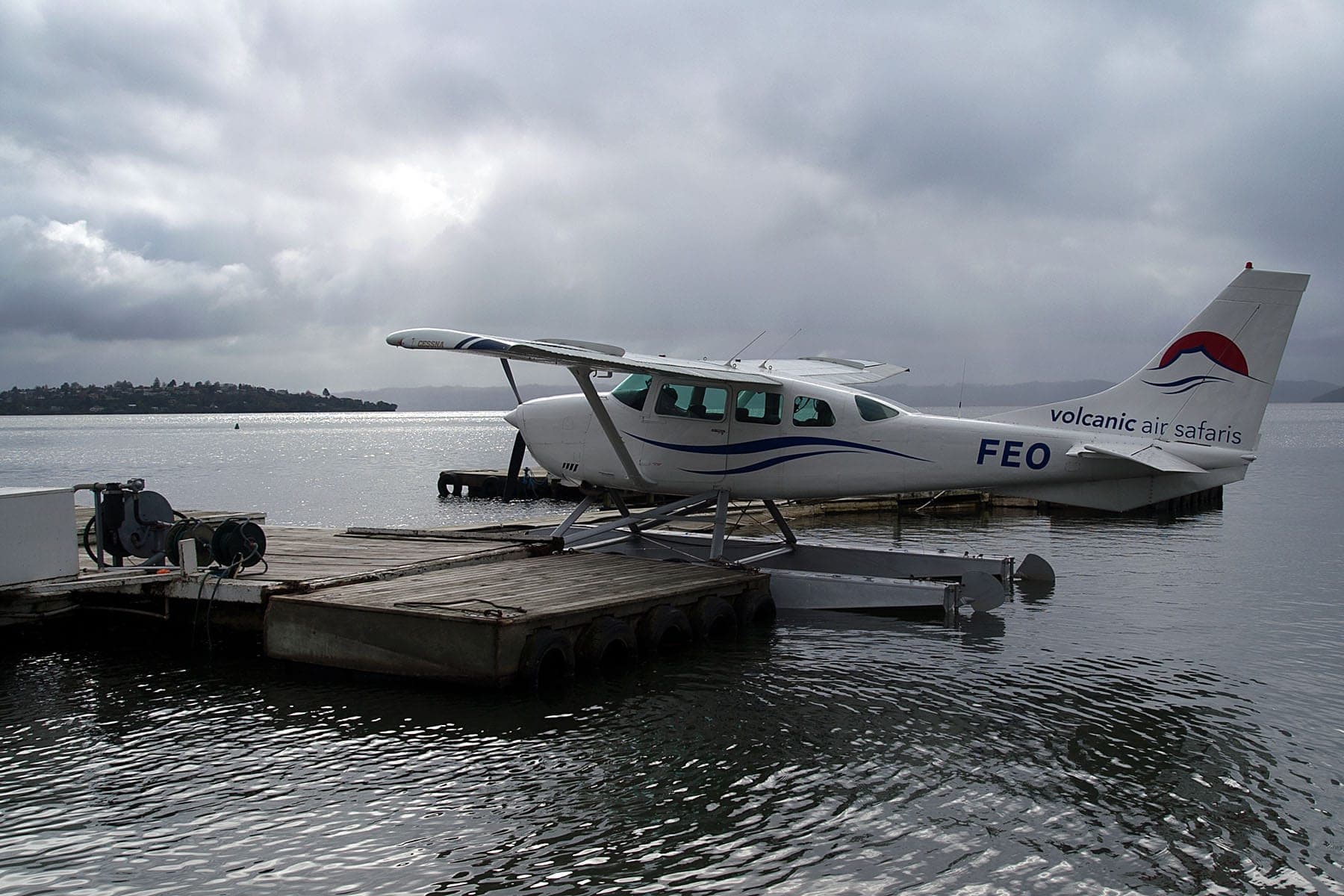
The Caravan is the outlier and arguably the most quietly successful product of the modern company. A single-engined turboprop utility aircraft introduced in the 1980s, it does the work that used to require a twin: freight feeder routes, float operations, parachute dropping, humanitarian flying into places with no runway worth the name. It is the aircraft that replaced the DC-3 in much of the world, and it did so by being cheap to run rather than by being better.
The Citations are the fourth group and the largest business by revenue, running from the entry-level jets through the midsize Latitude and Longitude to the long-range models. A single manufacturer offering everything from a two-seat trainer to an intercontinental business jet is unusual, and it is the direct result of the ladder strategy the company adopted in the 1940s and never abandoned.
Defence
Cessna's military work is substantial, largely forgotten, and concentrated in two categories the major defence contractors did not want: trainers and observation aircraft.
The O-1 Bird Dog came first, developed from the commercial Model 170 in 1949 and originally designated the L-19. It was a two-seat observation and liaison aircraft used by the Air Force, Army and Marine Corps for artillery spotting, front-line communications, medical evacuation and training. The Air Force alone ordered more than 3,200, most built as L-19As between 1950 and 1959. It is the aircraft that defined the forward air controller's job in Korea and then in Vietnam.
The T-37 Tweet was more significant technically. It was the first United States Air Force jet designed from conception as a trainer rather than adapted from a combat type: a genuinely novel proposition in the early 1950s, when the assumption was that pilots learned on piston aircraft and converted to jets afterwards. The XT-37 first flew in 1954, the T-37A entered service in 1957 and the improved T-37B followed in 1959. Nearly 1,300 T-37As, Bs and Cs were built before production ended in the late 1970s, and the type trained American military pilots for some fifty years.
Its attack derivative, the A-37 Dragonfly, was developed in 1963 by modifying the trainer for armed counter-insurgency work. Cessna built 577 over ten years, ending production in 1977. The lineage, a trainer turned into a light attack aircraft for a war it was not designed for, is the same one that produced the Super Tucano a generation later.
The O-2 Skymaster completed the set. In late 1966 the Air Force selected a military version of the civil Model 337 to supplement the Bird Dog as a forward air control aircraft in Southeast Asia. It first flew in January 1967, deliveries began that March, and production ended in June 1970 after 532 had been built for the Air Force. The centreline twin layout (one engine pulling, one pushing) gave the crew twin-engine safety without the asymmetric handling problems that kill pilots when an engine fails on a conventional twin, which mattered a great deal for an aircraft that spent its life low and slow over hostile ground.
Helicopters
Cessna built a helicopter once. The CH-1 Skyhook was certified in 1955 and is the only rotorcraft the company ever produced.
It was an unusual machine, with the engine mounted in the nose rather than behind the cabin: an arrangement that gave it a car-like appearance and, more practically, moved the centre of gravity forward and allowed a conventional-looking four-seat cabin. Cessna did not originate it: the company bought the Seibel Helicopter Company of Wichita on 14 January 1952 in a stock swap to get into the market, moved Seibel's equipment and its S-4B to the Pawnee plant, and began work on the CH-1 design that summer. Buying a way in was the standard route for a fixed-wing manufacturer entering rotorcraft in that period.
The aircraft worked and set records. In September, chief test pilot Jack Zimmerman, with United States Army representatives aboard, became the first person to land a helicopter on the summit of Pikes Peak in Colorado, at 14,110 ft, a serious demonstration of high-altitude performance for a piston helicopter of the 1950s. The CH-1 was also the last piston-engined helicopter to set the helicopter altitude record.
It was not a commercial success. Production ended in December 1962 after about fifty aircraft.
The episode is worth recording precisely because it failed. It shows a company at the height of its confidence trying to extend the ladder strategy into a new category and finding that the strategy did not transfer: Cessna's advantages were in volume manufacturing of simple fixed-wing aircraft and a dealer network to sell them, and neither helped much against Bell and Hiller in a market where the machines were complex, the customers professional and the volumes small. The company never tried again, and the omission is one reason Textron, which already owned Bell, could absorb Cessna in 1992 with no product overlap at all.
Manufacturing
Cessna is a Wichita company, and the city is the single most important fact about its industrial history. The concentration of airframe manufacturing that the Second World War created there gave Cessna a supplier base, a trained workforce and a pool of engineers in a place that had no other reason to have them, and the company has never left.
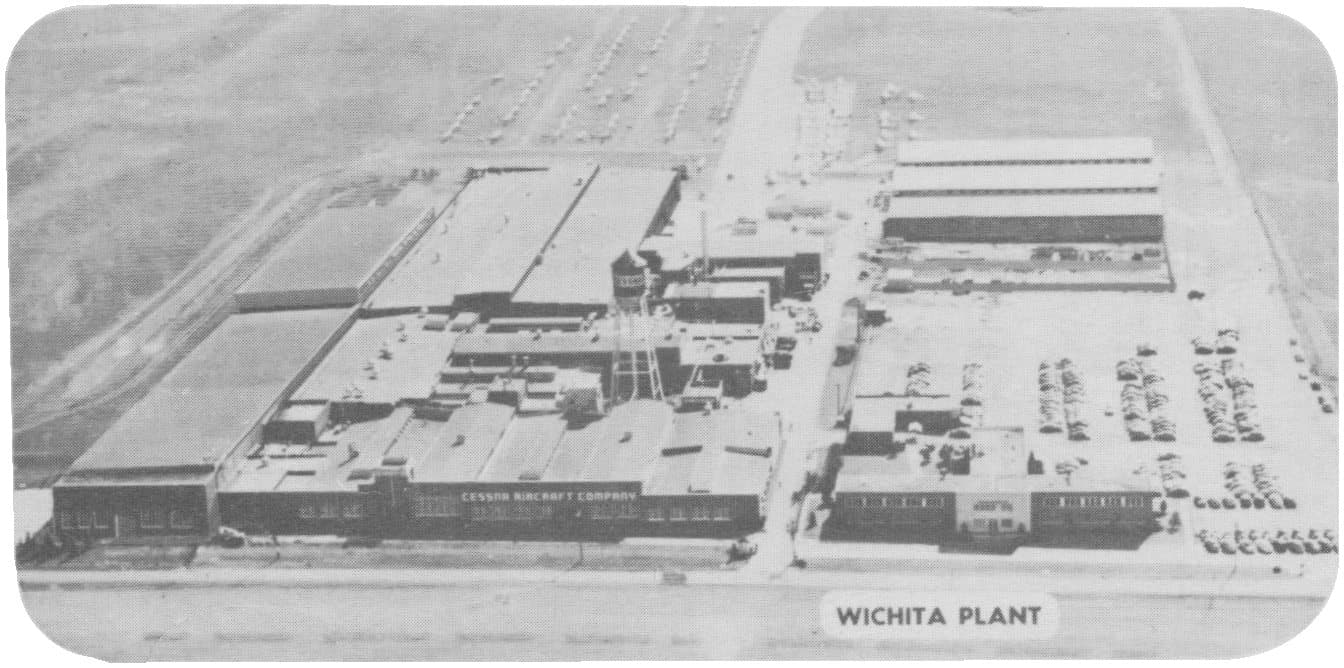
The Pawnee plant in Wichita remains the centre of single-engine component manufacture, and the city handles the Citation line. What changed the geography was the restart of piston production in the 1990s, which was built somewhere new and deliberately so.
The Independence, Kansas facility was announced in December 1994, broke ground in May 1995 and was dedicated on 3 July 1996: one day ahead of a promise to open it on Independence Day, which for a factory in a town called Independence was too good a line to pass up. It was a three-building complex of 260,000 ft² on 213 acres, with a separate 90,500 ft² paint facility and a 40,000 ft² flight test centre. Components came from Pawnee in Wichita and travelled roughly 109 nm south-east for final assembly.
The ambitions set for it were enormous: a thousand aircraft in 1997, two thousand a year by 1998, three thousand a year by 2000. Those figures are a useful measure of how completely the industry expected the light aircraft market to return to its 1970s scale once the liability problem was solved. It did not. The new general aviation market was a fraction of the old one, for reasons (cost, demographics, the collapse of flying as a mass hobby) that had nothing to do with the law.
Outside Kansas, the modern Textron Aviation operation includes service centres across the United States and internationally, and the Caravan and Citation lines have their own supply arrangements. But the centre of gravity has not moved in ninety years.
Workforce
The company's workforce history is inseparable from Wichita's, and both have been through violent cycles.
The war turned a few hundred employees into thousands. The post-war light aircraft boom sustained that, and by the 1970s Cessna was one of the largest industrial employers in Kansas, building aircraft at a rate that required a genuine production workforce rather than a craft one. The light aircraft industry at its peak was a mass-manufacturing business, and it is easy to forget that because nothing resembling it exists now.
The contraction was correspondingly brutal. Single-engine production stopped completely in 1986, and the general aviation industry across the United States shed the great majority of its manufacturing employment during that decade. Wichita absorbed that loss at the same time as the wider aerospace downturn of the early 1990s. When production restarted at Independence in 1996 it was with a new plant, a new town and a new workforce, not a reopened one.
There is a structural point in this that applies well beyond Cessna. Skills in airframe manufacturing are held by people, and when a line stops for ten years those people go and do something else. The industry that restarted in 1996 had lost a decade of accumulated practice, and the aircraft it resumed building were the same 1950s designs partly because the capacity to certify and tool genuinely new ones had gone with the workforce.
Under Textron Aviation the Cessna workforce is no longer distinct: it is part of a combined operation that also builds Beechcraft and Hawker products, with shared facilities and shared engineering. The brand is maintained; the organisation behind it is not separable.
Competition
For most of its history Cessna's competition was two companies in the same city. Beechcraft, founded in Wichita by Walter and Olive Ann Beech, built more expensive and better-finished aircraft for a wealthier customer; Piper, in Pennsylvania, built cheaper and simpler ones. The three divided the American light aircraft market between them for forty years, and the rivalry was close enough that Cessna and Beechcraft ended up owned by the same corporation.
The 150/152 against Piper's Cherokee and Tomahawk, the 172 against the Cherokee and Archer, the 182 against the Bonanza, these contests defined what a light aircraft looked like for two generations. Cessna generally won on volume, Beechcraft on quality and Piper on price, and all three largely stopped competing when the market collapsed in the 1980s.
The modern competitive picture is different and less comfortable. In light aircraft, Cirrus has taken the top of the piston market with a composite airframe and a whole-aircraft parachute, features Cessna's certified 1950s designs cannot easily match; Diamond has taken much of the training market in Europe with diesel-powered aircraft that burn jet fuel. Cessna's response has largely been to continue building the 172 and 182, which still sell, to customers for whom the known quantity and the global support network outweigh the newer designs.
In business jets the competition is Embraer, Bombardier, Gulfstream and Dassault, and Cessna's position is the one it established in 1972: the lower and middle part of the market, sold on operating cost and field performance rather than speed or range. That has proved more defensible than the piston business, and it is where the company now makes its money.
Mergers and ownership
Cessna has been owned by three corporations and has outlived its independence by four decades.
General Dynamics bought the company in 1985, at the worst possible moment: the single-engine business was about to stop entirely, and the acquisition therefore bought a light aircraft manufacturer just as light aircraft manufacturing became impossible. General Dynamics was a defence contractor with no obvious use for a general aviation division, and in 1992 it sold Cessna to Textron.
Textron was a better fit, and the logic was clean. Textron already owned Bell Helicopter and a range of industrial businesses; Cessna brought business jets, which fitted alongside Bell's commercial helicopters in a portfolio aimed at corporate customers, and there was no product overlap whatever, Cessna had abandoned helicopters thirty years earlier. Under Textron the Citation line expanded steadily and piston production eventually restarted.
The last step came in 2014. Textron acquired Beech Holdings, bringing Beechcraft and Hawker into the group, and combined them with Cessna to form Textron Aviation. Two Wichita manufacturers that had competed since the 1930s became divisions of the same company, in the same city, with shared engineering and facilities. Cessna, Beechcraft and Hawker survive as brands applied to product lines rather than as companies.
The consolidation is the ordinary end-state of a mature industry with a shrinking customer base, and it has preserved the names precisely because the names are worth more than the corporate entities were. A buyer will pay for a Cessna; nobody was buying Cessna Aircraft Company as an institution.
Crisis
The decade from 1986 to 1996 is the most consequential period in Cessna's history and the one least connected to anything about aeroplanes.
American product liability law in the 1970s and 1980s developed in a way that was close to catastrophic for light aircraft manufacturers. A manufacturer could be sued over an aircraft built decades earlier, flown by people it had never met, maintained by shops it did not control, and modified in ways it had not approved, with no statute of limitations running from the date of manufacture. Because light aircraft last for fifty years and more, the exposure accumulated indefinitely. By the mid-1980s the liability cost loaded onto each new aircraft had become a substantial fraction of its price, and insurance was increasingly difficult to obtain at any price.
Cessna's response was to stop. In 1986 it halted production of all single-engine piston aircraft and stated that it would not resume until it had product liability relief. The largest light aircraft manufacturer in the world simply withdrew from the market, and the rest of the American industry contracted severely at the same time. For ten years essentially no new light aircraft were built in the United States in meaningful numbers.
The relief came as legislation. In August 1994 President Clinton signed the General Aviation Revitalization Act, which established an 18-year statute of repose: once an aircraft or component has been in service for eighteen years, the manufacturer is no longer liable for it. That single provision made the arithmetic work again.
Cessna moved immediately. Independence was announced in December 1994, four months after the Act, and the first aircraft came off the new line in 1996, the 172, 182, 206 and T206. The sequence is unusually clear for an industrial history: a law changed, and within two years a product category that had ceased to exist in the United States resumed production. It is the clearest demonstration available that the constraint on general aviation manufacturing in that decade was legal rather than technical or commercial.
Setbacks
The return was real and the recovery was not. Production restarted, the aircraft sold, and the market never came close to what the industry had projected or what it had been in the 1970s.
The planned ramp at Independence (a thousand aircraft in 1997, three thousand a year by 2000) assumed that the liability problem had been the only thing suppressing demand. It had been the binding constraint on supply, which is a different thing. The demand side had changed permanently: the real cost of owning and operating a light aircraft had risen far faster than incomes, the generation of military-trained pilots who formed the post-war market had aged out, and flying as a mass recreational activity had declined for reasons no legislation could reverse.
The product line has aged with the market. Cessna's piston aircraft are developments of designs certified in the 1950s and 1960s, continuously updated with avionics and detail improvements but fundamentally the same aeroplanes. The reason is economic rather than complacent: certifying a genuinely new light aircraft costs more than the resulting sales can justify at modern volumes, which is why almost every piston aircraft in production anywhere is either an old design or comes from a company that found a way around the certification basis.
The competitive consequence has been a slow loss of the premium end. Cirrus's composite airframe and ballistic parachute changed what buyers expected of a new high-performance single, and Cessna has not matched it. In training, Diamond's jet-fuel-burning aircraft have taken a large share in markets where avgas is expensive or unavailable.
None of this threatens the company, because the company is now principally a business jet manufacturer inside a diversified corporation. It does mean that the part of Cessna that made the name famous is a mature, slowly declining business, maintained rather than grown.
Legacy
Cessna's legacy is a number and an argument.
The number is 44,000-plus 172s, which is more than any other aircraft type ever built and is unlikely to be beaten, because nothing is now produced at anything like that rate and no single design holds a market for seventy years any more. Add the 150 and 152, the 182, the 206, the twins and the Citations, and Cessna has built well over a hundred thousand aircraft. For most of the world, the shape of a small aeroplane is a Cessna's shape.
The deeper legacy is the ladder. Cessna's central insight was that a manufacturer should cover every rung of a customer's flying life, from the first lesson to the corporate jet, so that a pilot or a company never has a reason to go elsewhere. Almost every successful general aviation manufacturer since has copied some version of it, and Textron Aviation's current structure, trainer to intercontinental jet under one roof, is the strategy in its final form.
The argument is about liability, and it is still live. The decade-long production halt and the immediate restart after the General Aviation Revitalization Act constitute about as clean a natural experiment as industrial policy ever produces: a product category disappeared from a country because of its legal regime, and reappeared when the regime changed. Anyone arguing about tort reform, statutes of repose or the effect of liability exposure on manufacturing has to account for Cessna between 1986 and 1996, and it is cited in that debate far more often than any of the company's aircraft are discussed outside aviation.
What the episode did not restore was the market. Cessna came back to find that the thing it had left was smaller, older and no longer growing: and that the business which had begun as a sideline in 1972, selling small jets to companies, had quietly become the main event.
Products
Programmes the company has built or is building. Entries that exist elsewhere in FLYPEDIA are linked.
Military aircraft
- Cessna T-50 BobcatOut of production
A twin-engined trainer; the US Army and the Royal Canadian Air Force ordered it in quantity in 1940.
Rotorcraft
- Cessna CH-1Out of production
Cessna's first helicopter, certified in 1955.
General aviation
- Cessna 120 / 140Out of production
The two-seaters that restarted civil production in 1946.
- Cessna 172 SkyhawkIn production
Introduced in 1956; more have been sold than any other aircraft.
- Citation IOut of productionFirst flight 1969
Cessna's first business jet, first flown on 15 September 1969.
Genealogy
Cessna's line: the partnership of 1927, the company the Wallace brothers bought in 1934, and its owners since, General Dynamics from 1985 and Textron from 1992, until it became a brand of Textron Aviation in 2014.
Scroll to see the full diagram
Timeline
June 1911
Clyde Cessna flies his first aircraft in Kansas
1927
Cessna and Victor Roos form the Cessna-Roos Aircraft Company
October 29, 1929
The Cessna DC-6 is certified on the day of the Wall Street crash
1934
Dwane and Dwight Wallace buy the company from their uncle
1956
The Cessna 172 is introduced
September 15, 1969
First flight of the Citation I
1985
General Dynamics buys Cessna
1992
Textron buys Cessna
March 2014
Cessna becomes a brand of Textron Aviation
- Citation business jets, Cessna, Textron Aviation
- Cessna Citation fleet passing 30 million flight hours, Textron Aviation
- Textron Aviation and NetJets sign record-breaking fleet agreement for up to 1,500 Cessna Citation jets, Textron Aviation
- Cessna T-37B Tweet, National Museum of the United States Air Force
- Cessna O-1G Bird Dog, National Museum of the United States Air Force
- Cessna O-2A Skymaster, National Museum of the United States Air Force
- Newfound Independence, AOPA Pilot
- Cessna, Wikipedia
- Cessna 172, Wikipedia
- Cessna Citation family, Wikipedia
Checked October 5, 2026