Terminal 1
Opened 1993
The 1993 "Big Bird" terminal; the base of Japan Airlines.
Airport
HND · RJTT
TokyoJapan
Tokyo Haneda Airport
85,906,170a year
Passengers
426,500a year
Aircraft movements
705,064t
Cargo
Figures for 2024
Ownership as of 2026
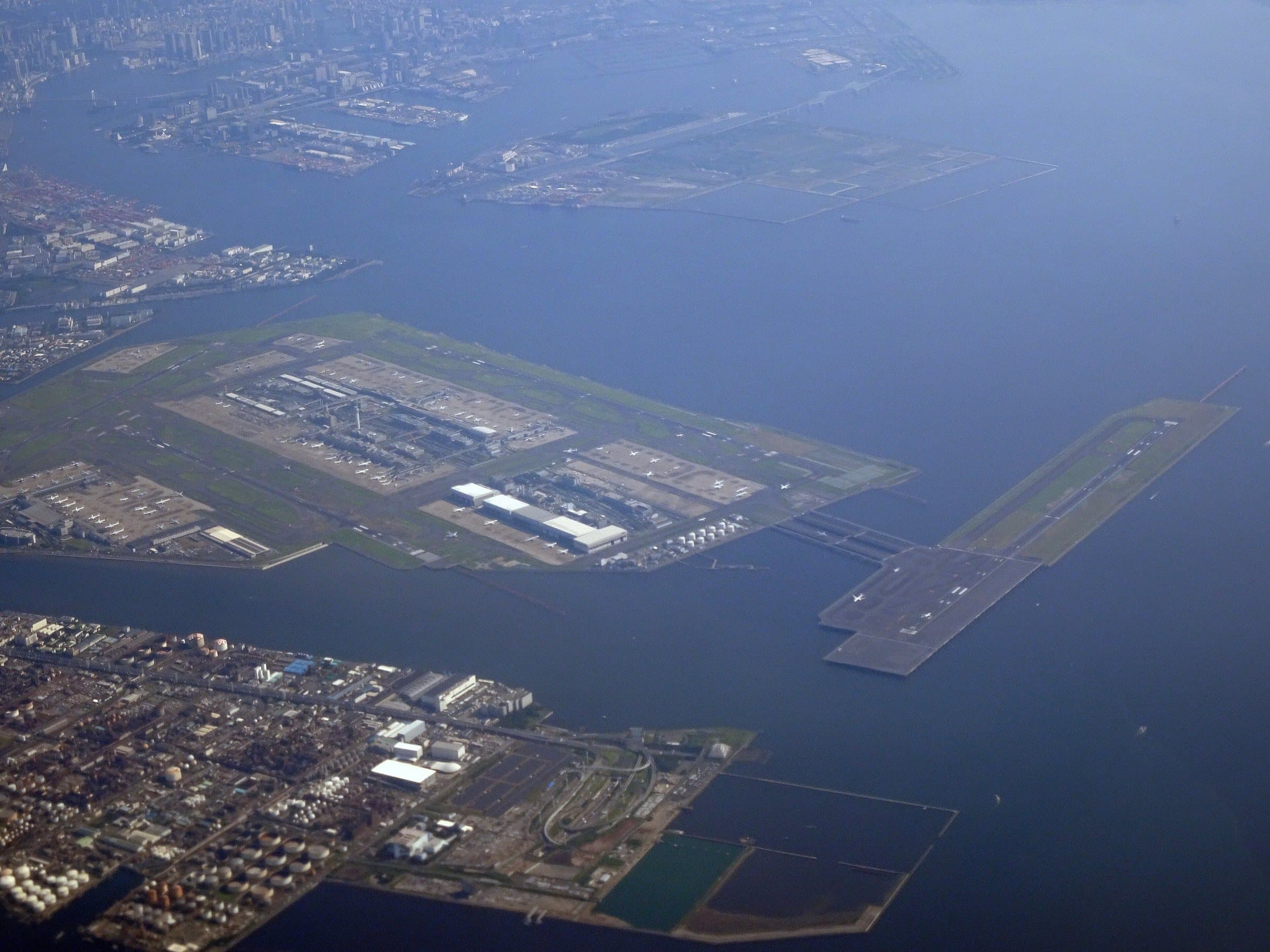
Tokyo International Airport, known everywhere as Haneda, is the busier of the two airports serving Greater Tokyo and one of the busiest in the world: 85.9 million passengers passed through it in 2024, placing it third worldwide. It is the domestic home of Japan Airlines and All Nippon Airways.
It sits on reclaimed land on the shore of Tokyo Bay, and its newest runway stands on an island in the water.
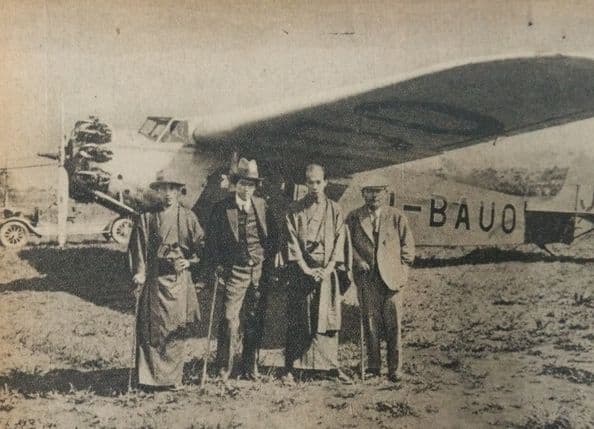
In 1930 the postal ministry bought a patch of reclaimed land on Tokyo Bay, and Haneda opened there in 1931, at the west end of today's airport. Its first flight, on 25 August 1931, carried a cargo of insects to Dairen. By 1939 its first runway had been lengthened and a second completed.
On 12 September 1945 General Douglas MacArthur ordered Haneda handed over to the occupying forces, who expanded it into Haneda Army Air Base. International passenger flights began there in 1947, when Northwest Orient started DC-4 services across the North Pacific and Pan Am made it a stop on its round-the-world route.
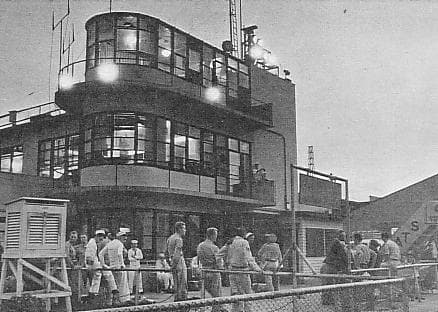
Part of the base was returned to Japan in 1952 and became Tokyo International Airport; the Americans left the rest in 1958. Japan Airlines had begun domestic flights from Haneda in 1951, the first passenger terminal opened in 1955, and the Tokyo Monorail linked the airport to the city in 1964, in time for the Olympic Games.
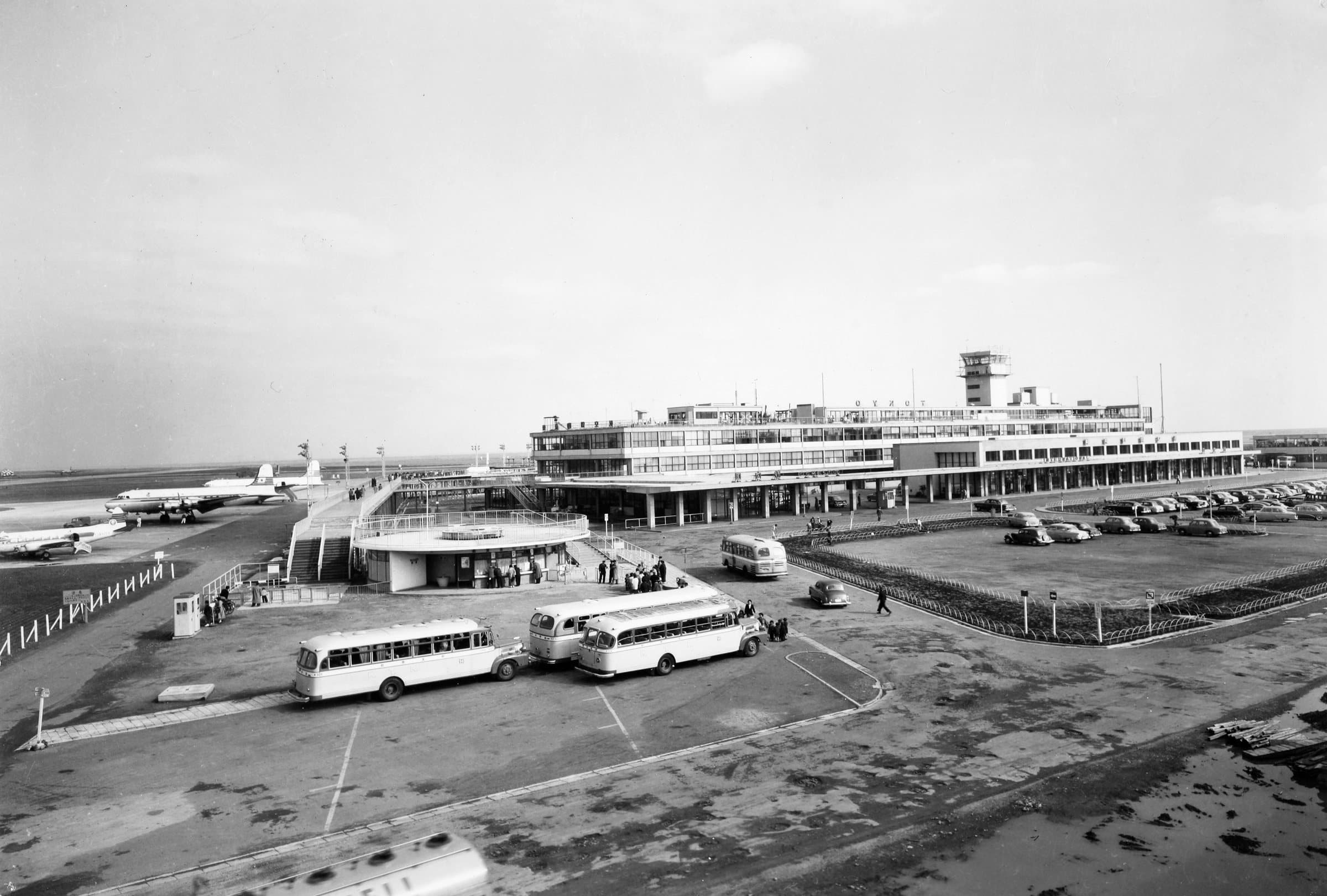
When Narita opened in 1978 it took almost all of Tokyo's international flights, and Haneda became a domestic airport. International service returned in earnest only in 2010, with a new international terminal and a fourth runway.
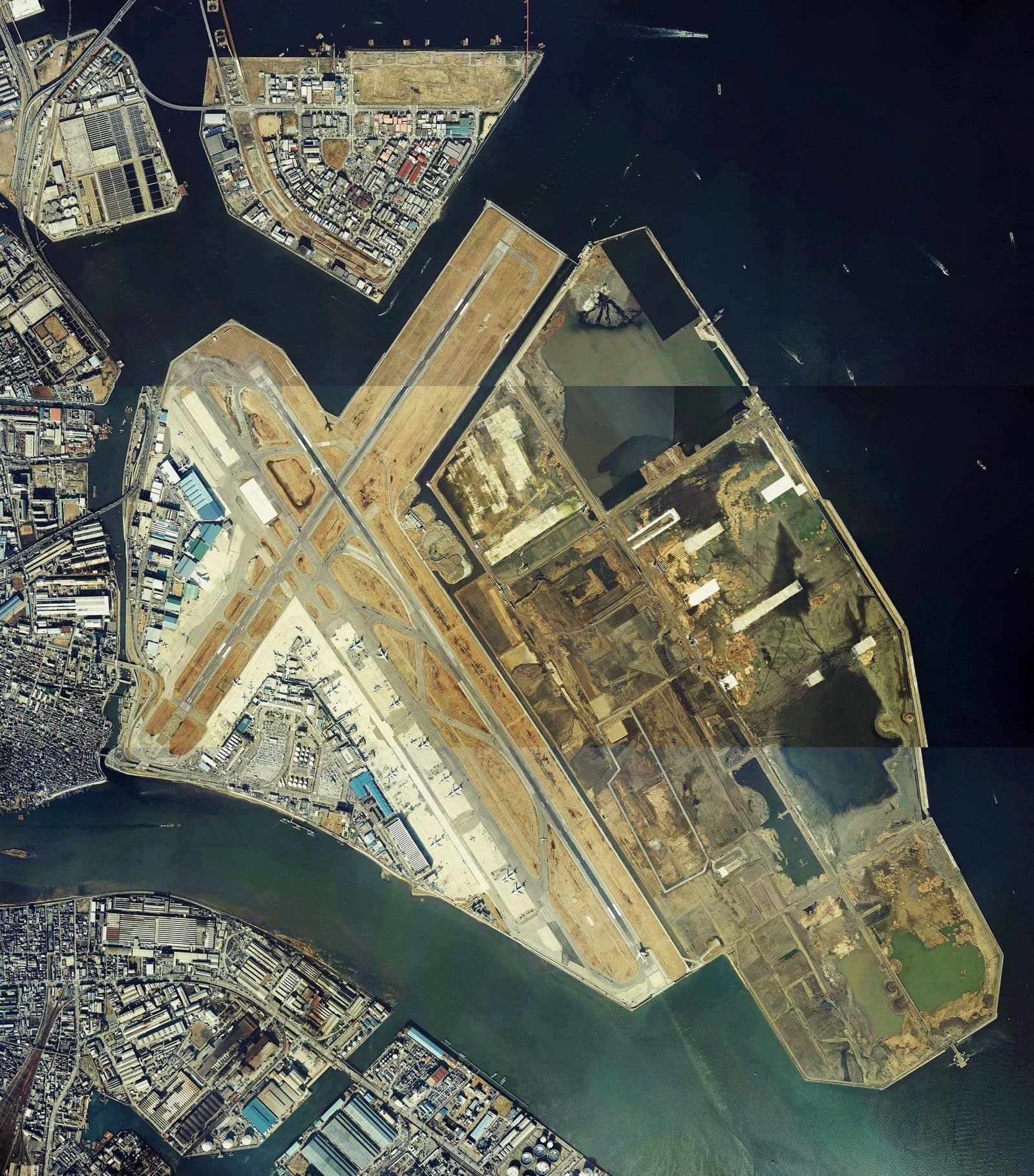
Haneda has four runways in two pairs: 16R/34L and 16L/34R run roughly north-south, 04/22 and 05/23 cross them. The longest, 16L/34R, is 11,000 ft.
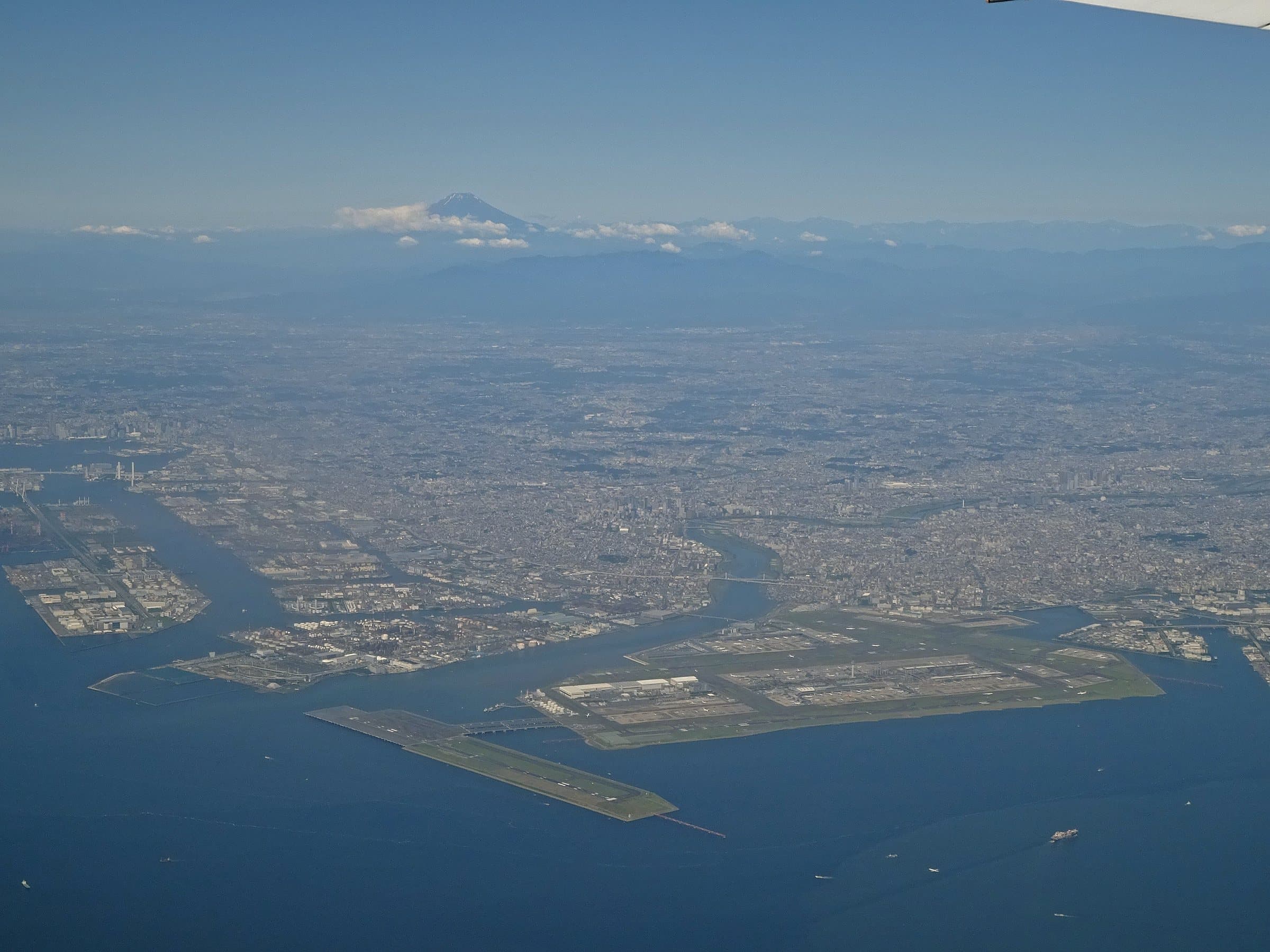
16L/34R and 04/22 were completed in March 1997 and March 2000, on land reclaimed further out into the bay. The fourth, 05/23, Runway D, opened in 2010 on its own artificial island off the airport, and with it Haneda could handle long-haul flights at night.
In September 1993 the old terminal was replaced by a West Passenger Terminal built further out on the landfill and nicknamed "Big Bird"; today it is Terminal 1, the base of Japan Airlines. Terminal 2 opened in 2004 for All Nippon Airways and Air Do.
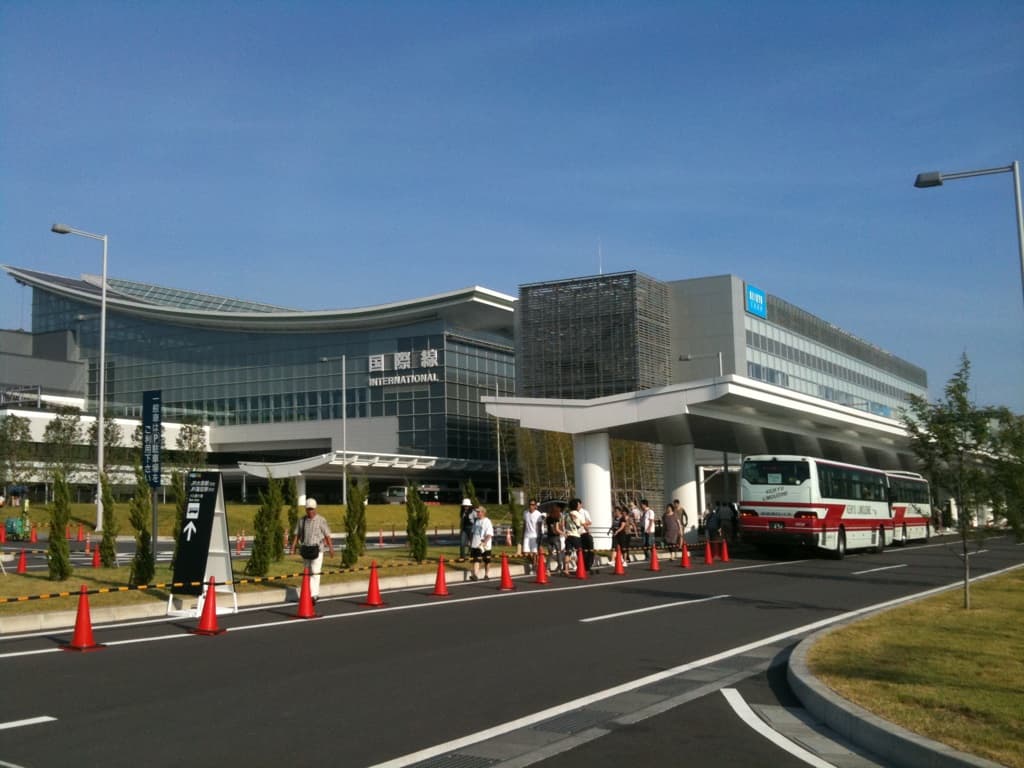
Terminal 3 opened in October 2010 as a dedicated international terminal, and 30,000 international slots a year came with it. Japanese airlines now use Haneda as the "hub of Japan", connecting long-haul flights with the domestic network, while Narita serves as the "hub of Asia".
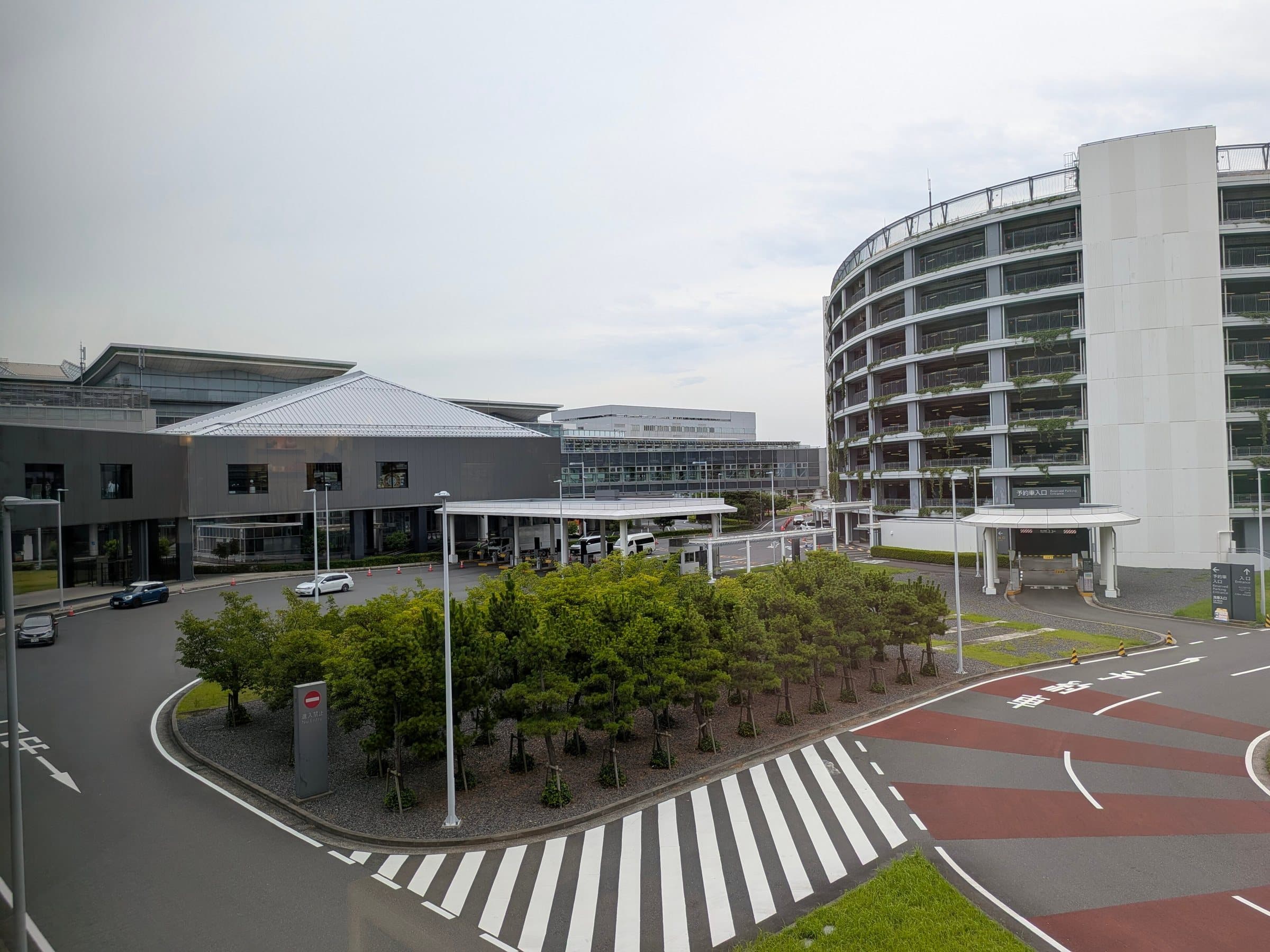
The Tokyo Monorail and the Keikyu Airport Line both serve the terminals; most of their services, and most buses, stop around midnight.
Runway D, on an artificial island in Tokyo Bay; opened in 2010.
Opened 1993
The 1993 "Big Bird" terminal; the base of Japan Airlines.
Opened 2004
Opened for All Nippon Airways and Air Do.
Opened 2010
The international terminal, opened in October 2010.
August 25, 1931
September 12, 1945
1952
1964
1978
September 1993
October 2010
Types whose story is bound up with this airport.
Checked September 19, 2026